Vaca Muerta Frac Sand: 9M-Ton Logistics Chain (2026) | VacaMuertaXP
Vaca Muerta is heading to 9M tons of frac sand a year. Where the truck, rail and barge bottlenecks sit and how Argentine logistics providers win those contracts.
Vaca Muerta is heading toward the order of 9 million tons of frac sand demand per year as the current phases of the expansion plan get built out, according to coverage published by EconoJournal, Energía 360 and ArgenPorts during June and July 2026.
That volume does not move by itself. Every ton of sand that reaches a well passed through a mine, a train, a barge, a stockpile and a truck fleet. That is where the opportunity — and the bottleneck — sits for Argentine logistics providers.
The scale of the problem
A modern long-lateral hydraulic fracture in Vaca Muerta consumes between 5,000 and 8,000 tons of sand per well. Multiplied by the fracture pace that the RIGI-approved project pipeline (US$79.6 billion, as of November 2026) needs to materialize, the math leaves little room for improvisation.
Mid-2026 coverage by EconoJournal documented how sand production from Entre Ríos and Chubut is being reassigned to the Neuquén market as a priority, with new multi-year contracts between sand producers and operators.
The three logistics bottlenecks
The constraint is not at the mine. It is in getting the sand from the mine to the wellsite in the right window.
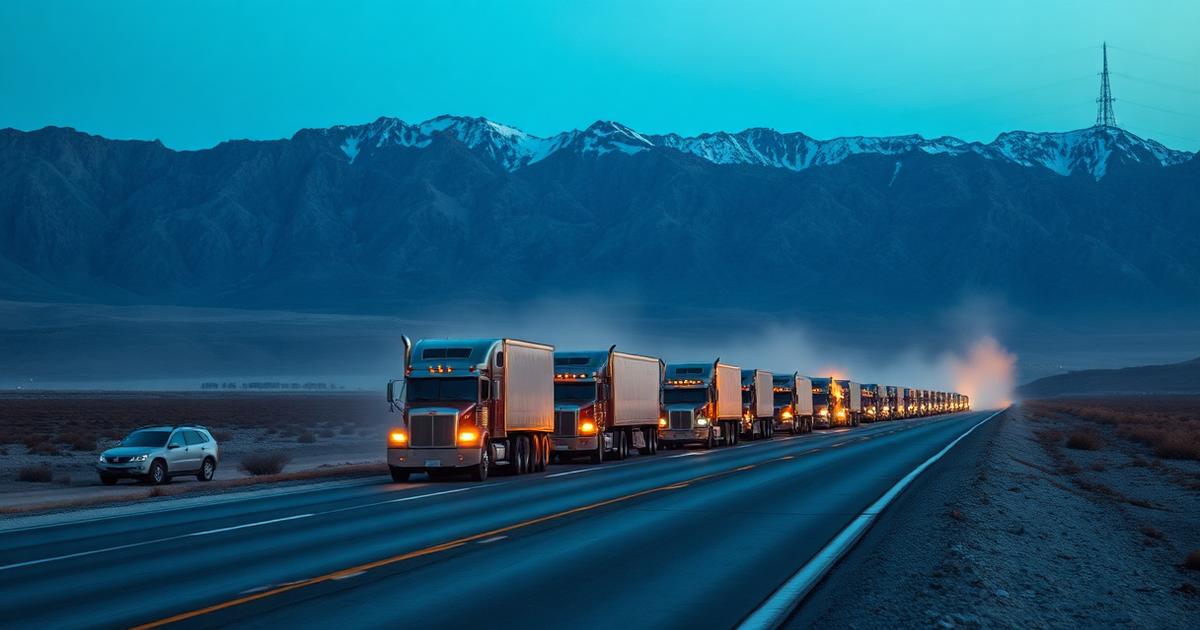
- Trucking. Still the dominant link on the last mile. The Argentine hopper and mobile-silo fleet is stretched; service tenders demand reinforced HSE, satellite tracking and tight delivery windows.
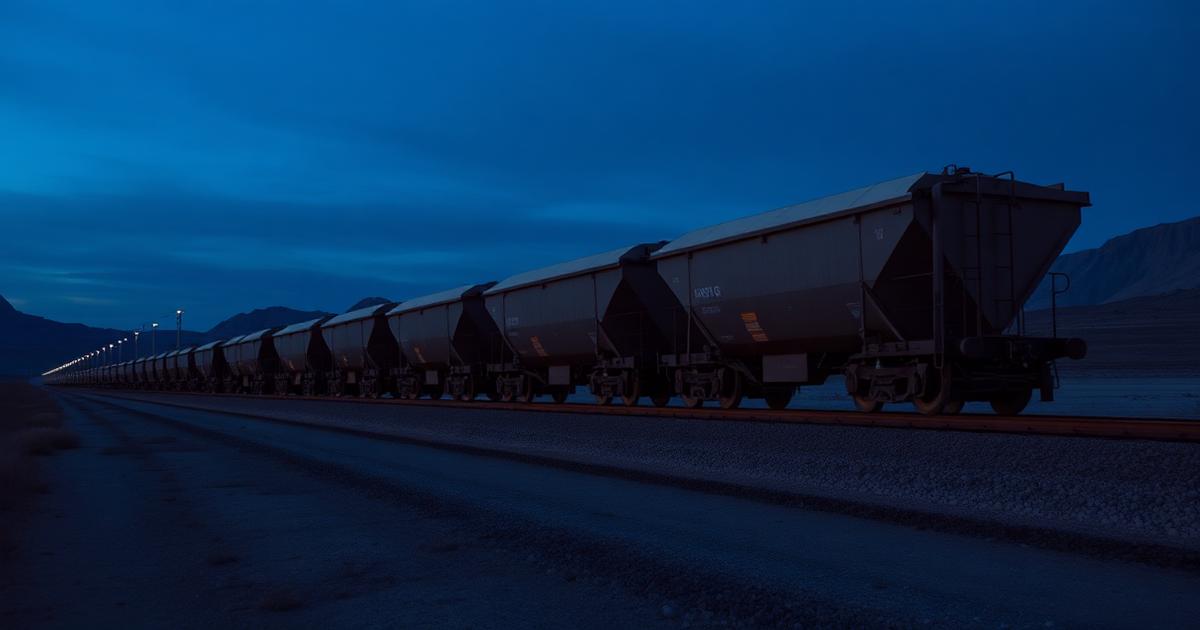
- Rail. Rail use for long hauls (Entre Ríos–Neuquén) reduces cost and footprint, but depends on hopper-car availability and network condition. Energía 360 has covered ongoing investment to expand dedicated rail capacity for oilfield inputs.
- Barge and port. The fluvial and port component appears when imported sand enters or when alternative Paraná routes are used. ArgenPorts has reported terminal reconfiguration to handle solid-bulk flows tied to the industry.
The opportunity for the Argentine provider
The RIGI 20% local-content rule is not solved with pipe and chemicals alone. The entire logistics link — carriers, rail operators, port terminals, intermediate stockpiles — counts toward the regime's calculation. And it is the link where the operator has the fewest imported alternatives.
For an Argentine carrier or logistics operator the equation is clear: if your HSE folder, workers-comp coverage and fleet-maintenance program pass a RIGI audit, you have guaranteed demand for the next several years. If they don't, someone else will take it.
What this means in practice
If you are a logistics provider targeting the Vaca Muerta frac sand market, these are the three things to resolve:
- Certify fleet and personnel HSE before you bid. Operators will not clear fleets without fatigue programs, satellite tracking and documented training. Start the process now, not when the tender lands.
- Document traceability for every trip. With RIGI audits on the horizon, operators will require digital dispatch, GPS position and axle-weight control. The providers who already have that stack will win the multi-year contracts.
- Make yourself visible in the RIGI ecosystem. A verified profile on the supplier platform with current fiscal, HSE and insurance documentation is the first thing a buyer sees when they assemble the logistics package. See also our post on the 5 documents an operator demands in 2026 and the power problem analysis.
VacaMuertaXP is compliance infrastructure — not a logistics operator and not a contract broker. What we do is verify Argentine carriers and logistics providers against objective criteria (ARCA, HSE, insurance, fleet program) so the operator — and the RIGI auditor — finds the whole chain they need in one place.
Are you a carrier or logistics operator eyeing the frac sand market? Claim your profile for free or write to hello@vacamuertaxp.com.
This content is informational and does not constitute legal, tax or investment advice. Volume figures cited are ranges published by named Argentine trade press; verify current sources before contracting.